Why do most collaborative learning experiences feel performative? We’ve designed discussion prompts. Participants respond generically with “Great insights!” or “Good job!”. We’ve built in peer feedback activities. Everyone shares polished work and gives gentle comments. We’ve created breakout rooms for rich dialogue. People awkwardly wait for someone else to start talking, or worse, they just sit in silence.
We know what collaborative learning should look like and have designed for it, but somehow it keeps feeling forced. We might have skipped the foundation. We ask people to collaborate without agreeing on how to collaborate together. We assign peer feedback without building commitment to honest exchange. We design group activities assuming trust and psychological safety will just emerge naturally. They won’t.
We skip this foundation because we feel the pressure: “We only have 2 hours and so much content to cover.” Whether it’s a 2-hour workshop or 4-week program, we feel content pressure, because usually more time just means more content to squeeze in.
But what if 20 minutes creating the conditions for learning means the remaining 100 minutes actually work? What if we’re being economically smart by investing time upfront so the rest doesn’t get wasted on performative participation? What if we set the conditions for people to act as if their presence matters?
My Kaospilot Experience
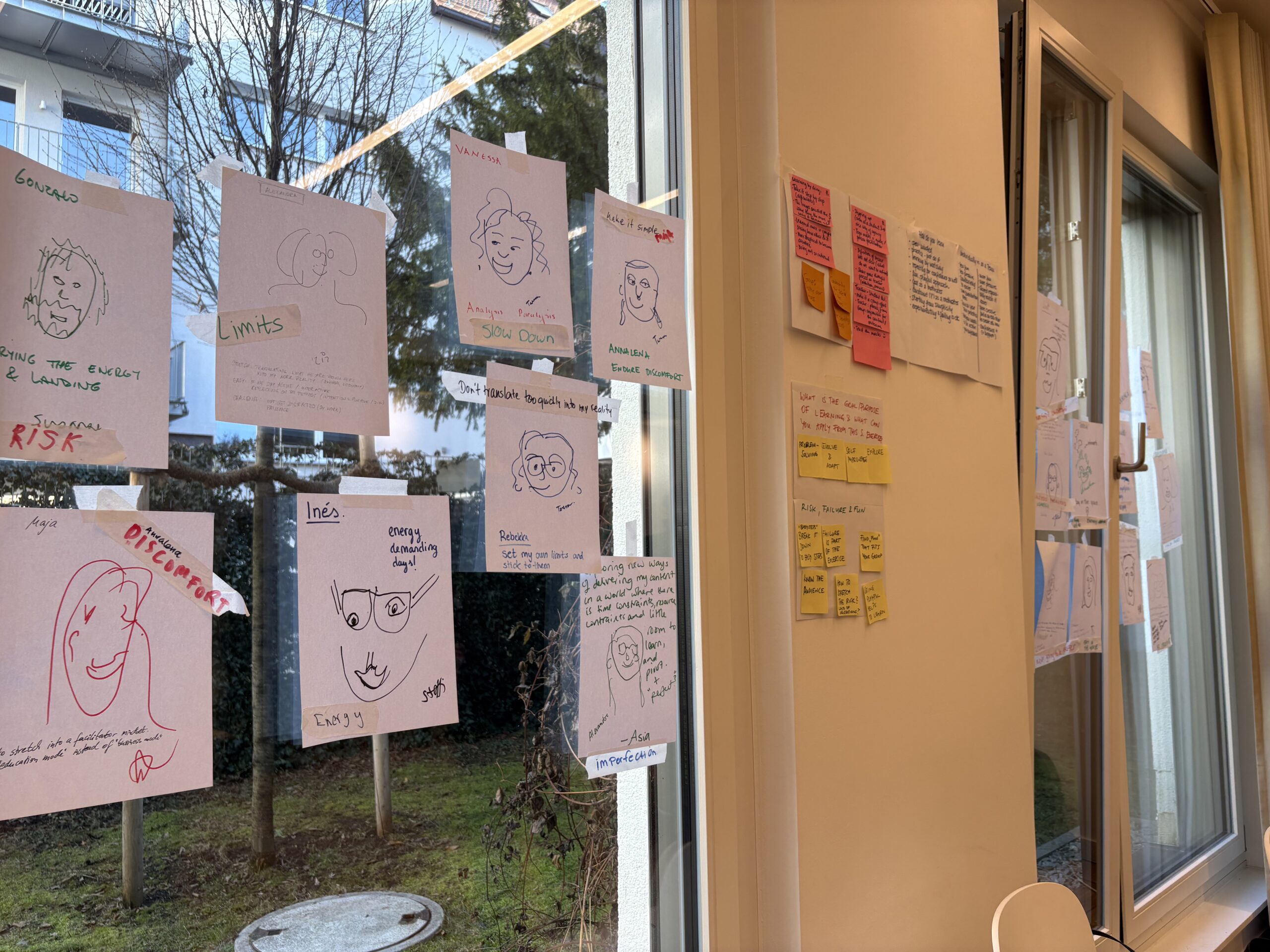
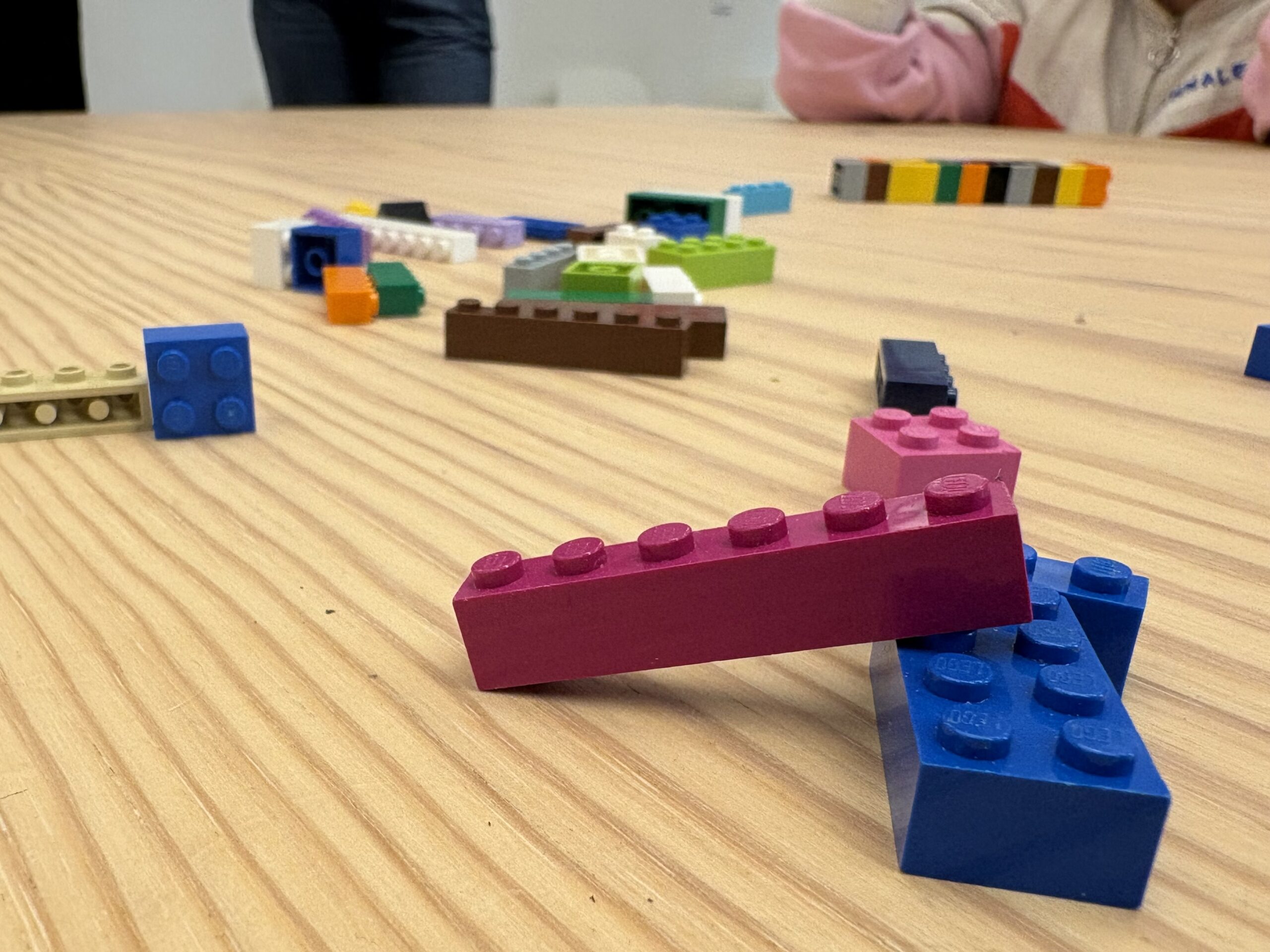
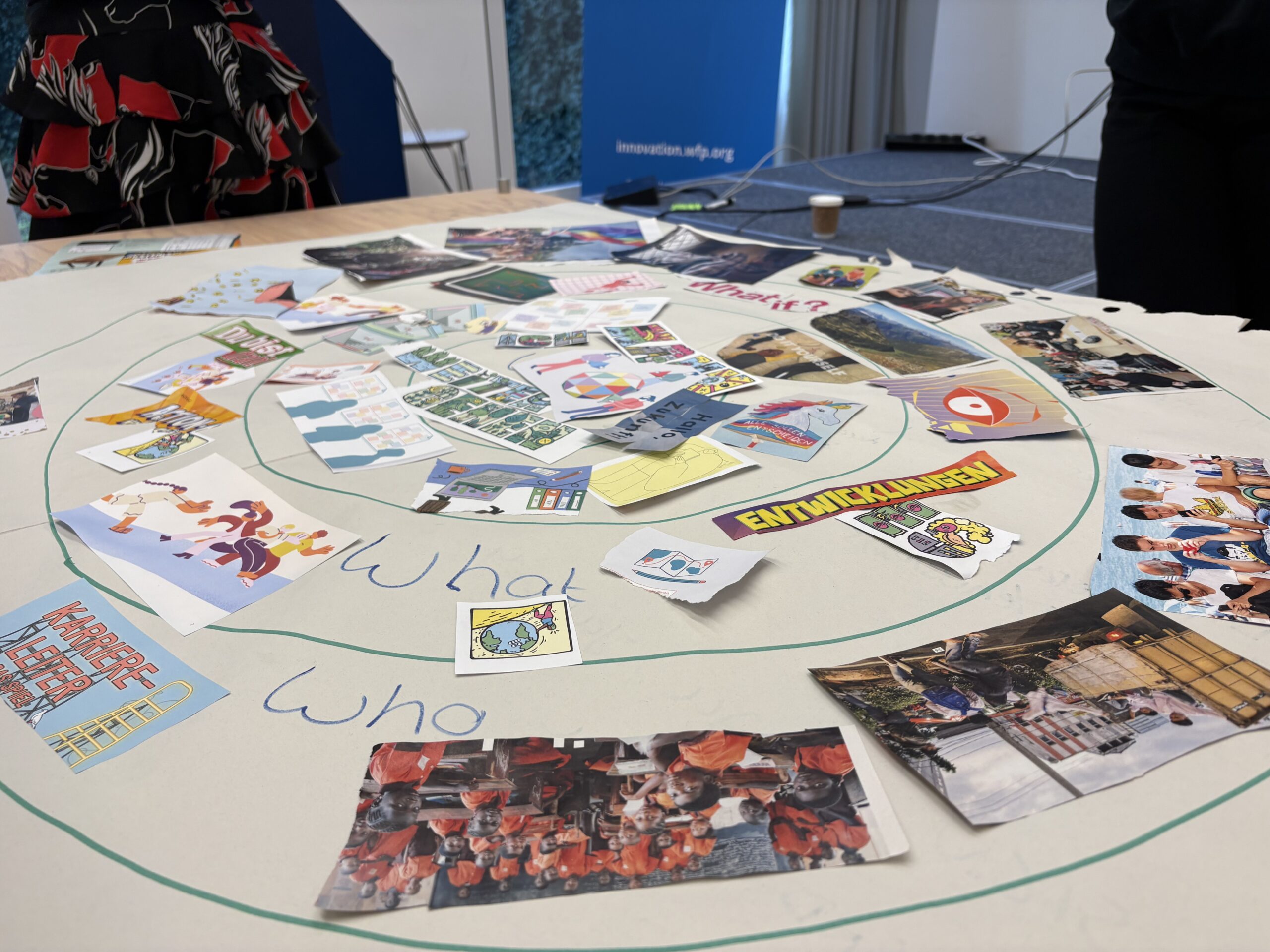
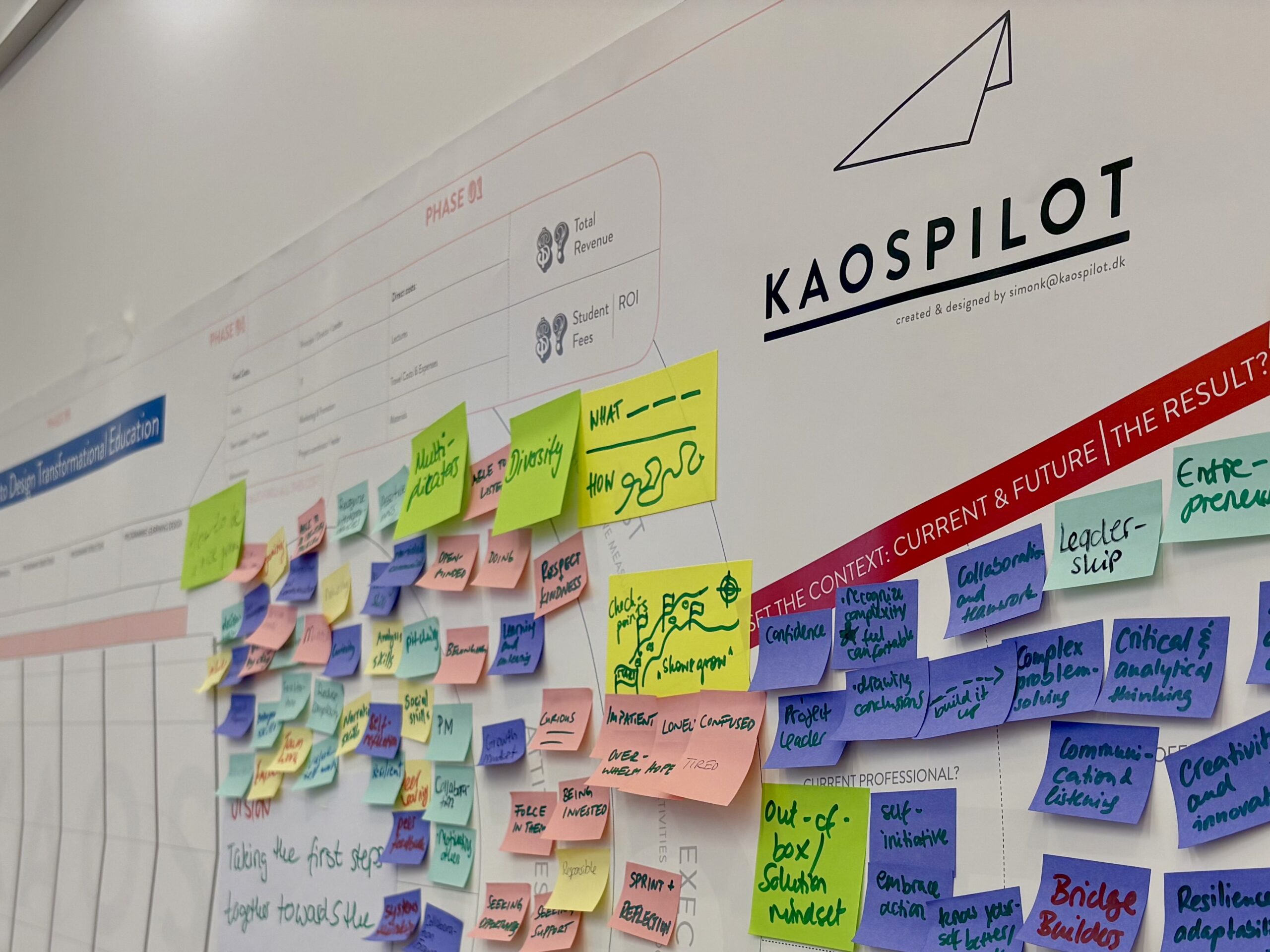
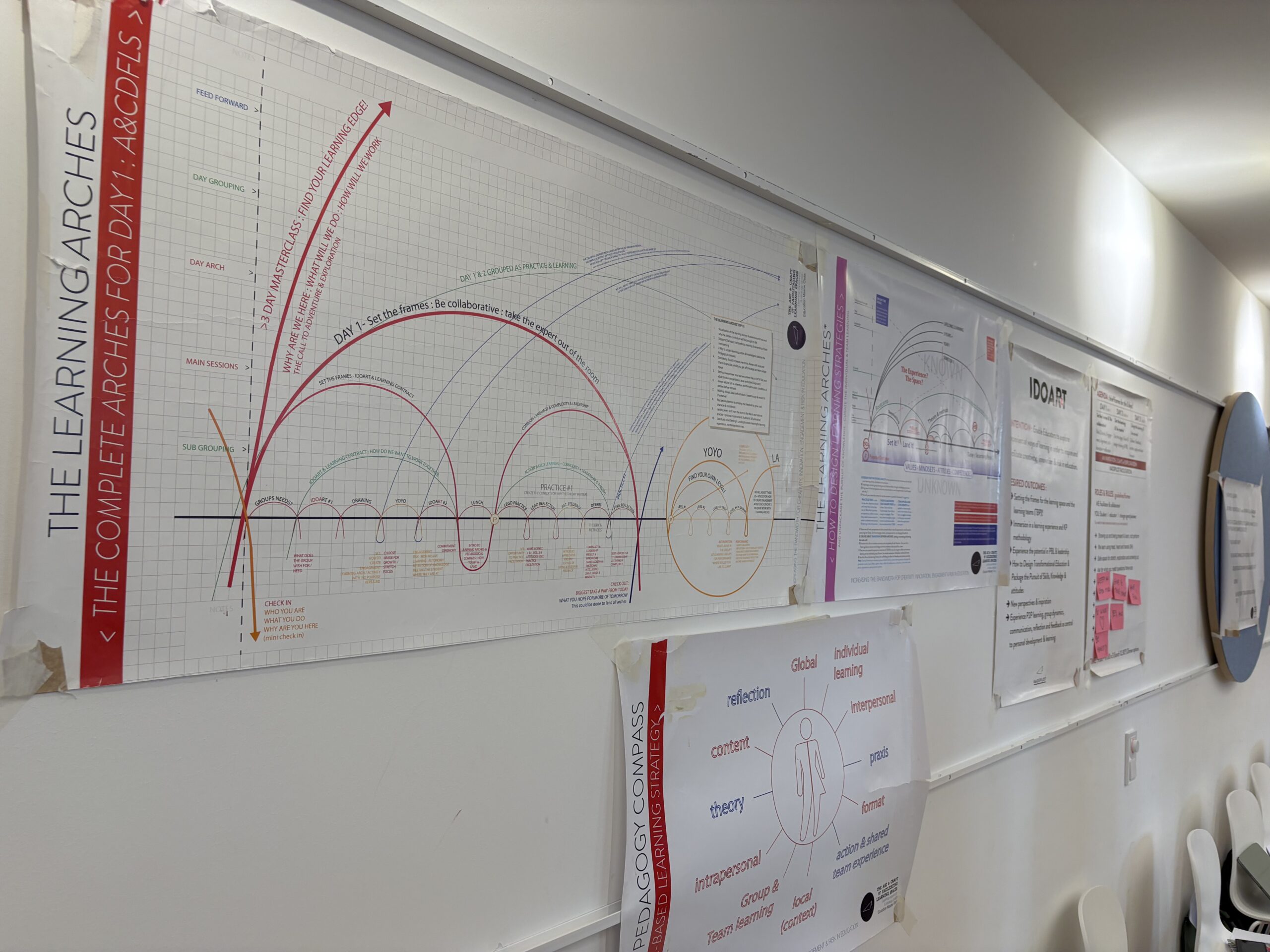
I recently attended the 3-days Kaospilot masterclass “Designing and Facilitating Learning Spaces” in Munich. The entire first day was dedicated to seeing each other and forming as a group: portrait drawing, yoyo practice, lego building. We talked about expectations and co-created how we wanted to work together. One activity asked us to share our “stretch” for the masterclass: the edge we were pushing against. Mine: to stay present in the space. I’m an extroverted introvert who conserves energy through selective attention; but I committed to staying fully present, and the group committed to supporting me.
The second two days were very project-based. I found myself genuinely invested in another participant’s challenge. Not politely interested, actually committed. I shared my expertise, learned from the group interaction, laughed a lot and still want them to succeed with their project.
What made the difference? Kaospilot deliberately designed based on one of their mantras: connection, conditions, context before content. That first day wasn’t filler before the “real work”. It was the foundation that made the real work possible.
Connection. Getting people to see each other as humans with relevant experience. It’s not “fun facts” or “two truths and a lie.” Connection means structured vulnerability where people share context that’s actually relevant to the learning you’re doing together, like me sharing my stretch. We can ask people to share previous positive or negative experiences regarding the subject matter. They have something to build upon or reference later.
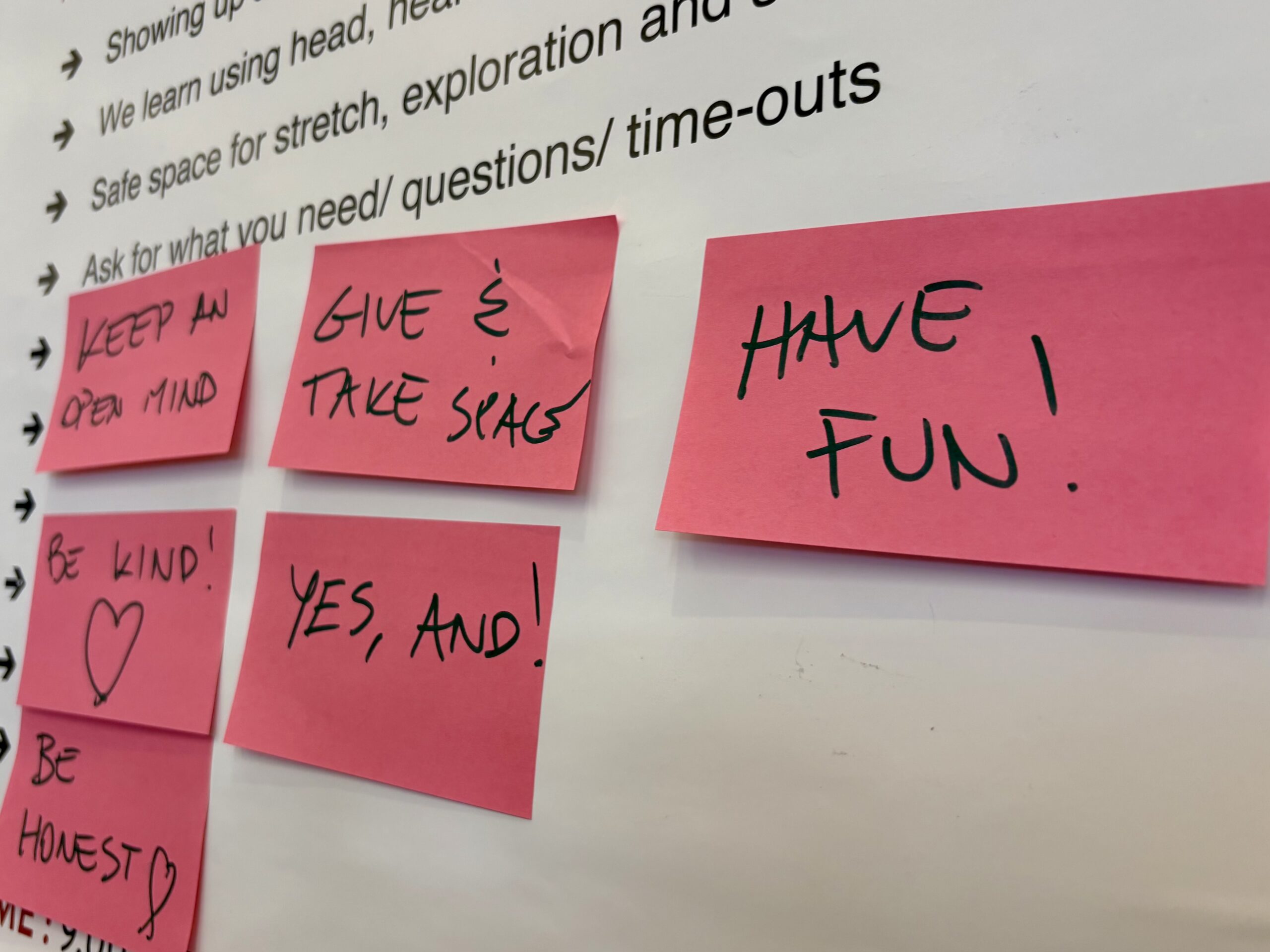
Condition: Building agreements that make honest exchange possible. Conditions are specific agreements about how we’ll work together, co-created before you need them. If they come from people, you are creating accountability. We did this in the masterclass and kept going back to it during team work.
Context: Connecting learning to actual work problems. For the masterclass we were prompted to bring a current challenge we need help with. This serves two purposes: It makes the learning instrumentally valuable, not just abstract theory, and it gives peers context for specific feedback. So, even if there’s no real challenge, we can work with scenarios based on real challenges.
Content: Learning is actually happening. The content phase works because of the foundation. People reference the connections made (“Based on what you shared about your context…”). They operate within the agreed-upon conditions like sharing messy drafts, asking real questions. They apply learning to their stated challenges.
Why This is Relevant
Studies in organizational context (Edmonson, 1999; Grossman 2021) show that teams with established psychological safety, clear working agreements, and interpersonal connection perform better on complex tasks requiring knowledge sharing and creative problem-solving. But this doesn’t emerge automatically. It requires deliberate design. The challenge is that most research on team formation comes from stable, ongoing work teams (Darsø, 2003), not temporary learning cohorts with unequal commitment levels and no shared deliverables. We’re adapting team formation principles for a different context, which means some translation work is necessary.
Not all connection activities work. Some create genuine foundation for collaboration. Others feel like performative team-building that people tolerate and forget. The question we need to ask while designing for authentic connection is: Does this create context we’ll reference during the actual work, or is it just “getting to know you” filler?
Genuine
- Sharing real work challenges
- Discussing shared frustrations with the topic
- Co-creating working agreements
- Mixing experience levels deliberately
Performative
- Fun facts about yourself
- Creative exercises with no work connection
- Icebreakers: "if you were an animal..."
- Trust falls and other corporate clichés
Navigating Objections
“We don’t have time for this. We have so much content to deliver.” “This feels touchy-feely. People just want to learn the skill.” I’ve heard that before. Full transparency: I don’t have this perfected.
The Kaospilot masterclass reinforced why connection before content matters, and why I need to keep experimenting with how to make it work in different contexts. When people push back, I can say something like: “We can spend 2 hours delivering content people will forget, or 20 minutes creating conditions where the remaining time transfers to practice. Which is the better investment?” or “We’re not doing trust falls. We’re front-loading the conversations that usually happen later when someone is frustrated because expectations weren’t aligned. Would you rather have that conversation now when we can design around it, or later when it derails the group project?”.
And every time I’ll need to ask myself: How much connection time is actually necessary? Which activities create genuine connection versus performative sharing? How can I adapt this for cultures and contexts where direct vulnerability isn’t comfortable? My DACH-region work might require different language than other contexts. How can I measure whether this actually works? I need more systematic data to know if the time investment pays off consistently.
Connection, conditions, context before content is not idealistic, it’s economically smart, because in every learning experience the foundation determines whether the rest works.